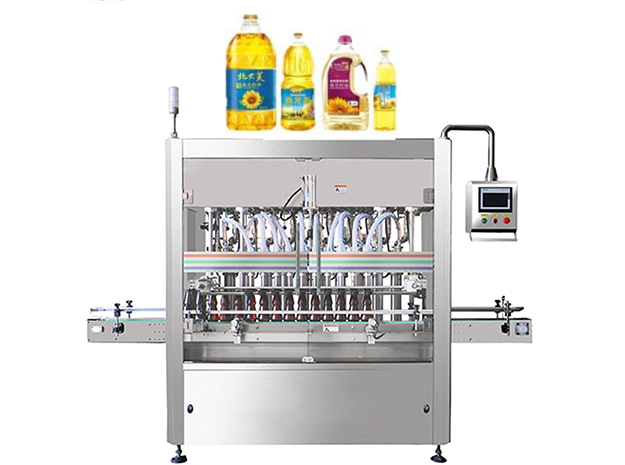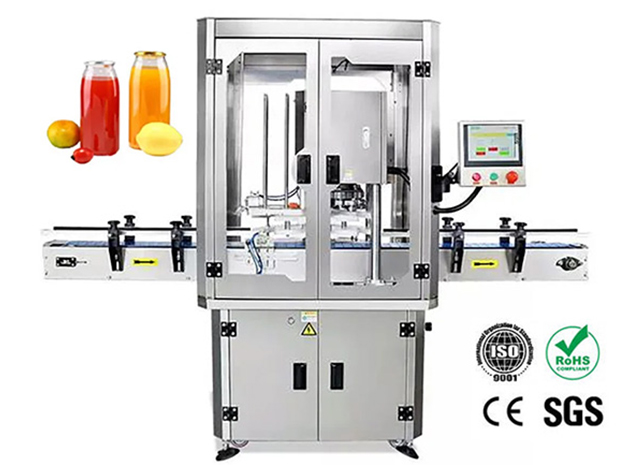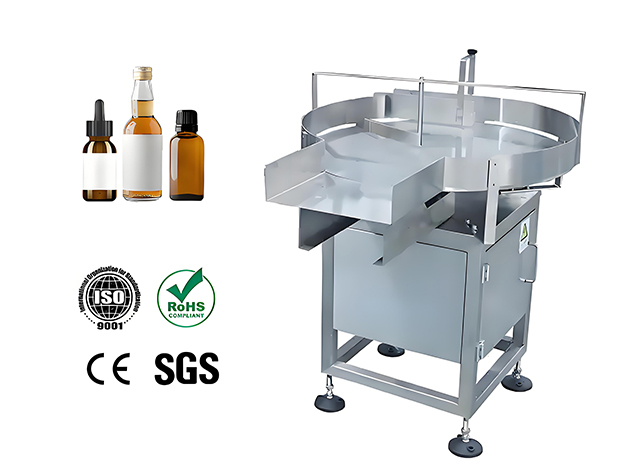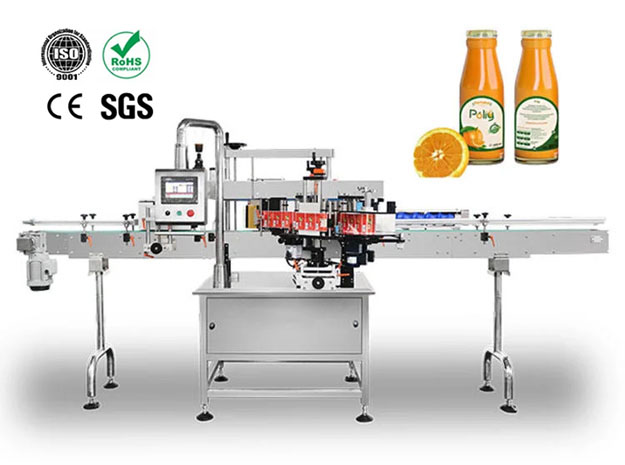
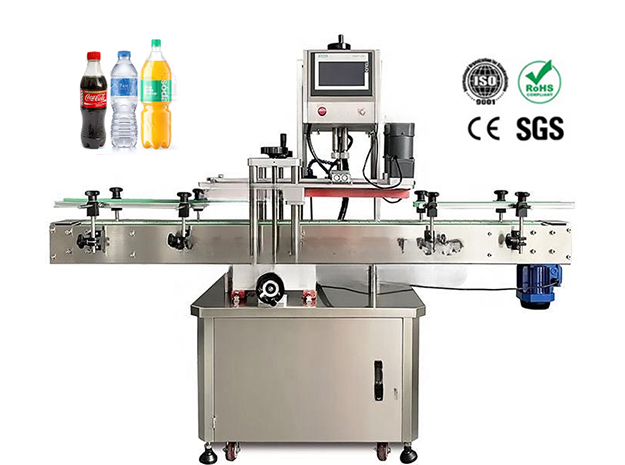
Capping machines have a wide range of applications, primarily due to their flexible adaptability to various bottle caps and containers. Regarding bottle cap types, they are compatible with common screw caps, tamper-evident caps, child-proof caps, pressure caps for glass jars (also known as tinplate claw-type screw caps), and ROPP aluminum tamper-evident caps for high-end wines. As for containers, whether plastic or glass bottles, and whether standard cylindrical or irregularly shaped, capping machines can complete the sealing process by changing the appropriate fixture or adjusting parameters.
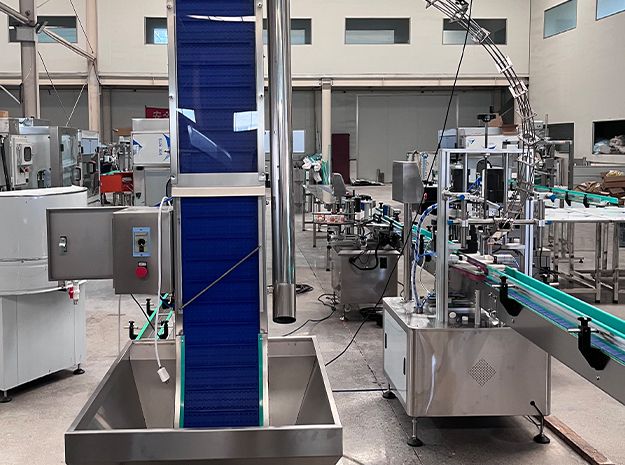
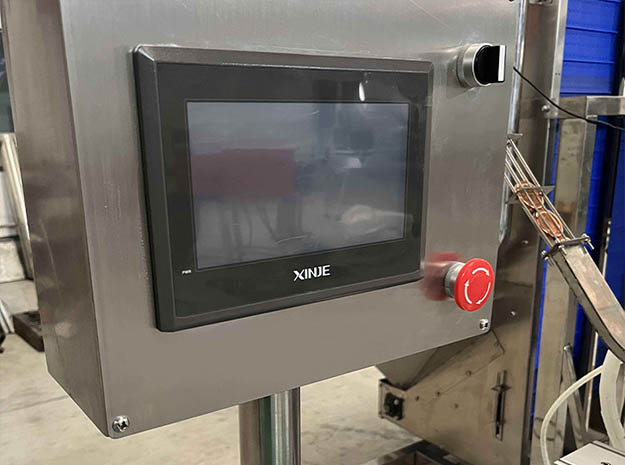
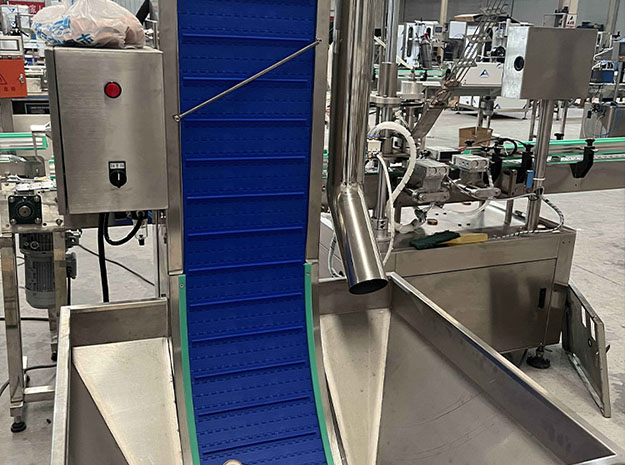
1. Utilizes Siemens components from Germany, ensuring stable operation and strong compatibility;
2. Automatic mold positioning and capping results in a high capping pass rate;
3. Mechanical gripper-type horizontal cap removal ensures stability and reliability;
4. Quick-installation mold design minimizes bottle type changeover time;
Capping machines have a wide range of applications. In the pharmaceutical industry, they are mainly used for sealing aluminum or aluminum-plastic caps on glass bottles containing antibiotics and powder injections, as well as sealing large-capacity dialysis tanks and various medicine bottles. In the food and beverage industry, they are suitable for sealing canned goods (such as fruits, seafood, and vegetables), sauces, juices, tea drinks, bottled wines, and condiments. In the daily chemical industry, they are commonly used for sealing shampoos, shower gels, cosmetics (such as lotions and creams), personal care products, and household cleaning products. In addition, in the chemical and other industries, capping machines are also widely used for sealing barrels or bottles of chemical products such as lubricating oil, pesticides, and veterinary drugs.
| Size of bottles | 20-500 ml |
| Output | 50-150 bottles/min |
| Diameter of caps | φ20-65 mm |
| Diameter of bottles | φ20-120 mm |
| Power supply | 220V 60Hz 1.5KW |
| Overall dimensions | 2160*1050*1900 mm |
| Weight | 650KG |