I. Working Principle
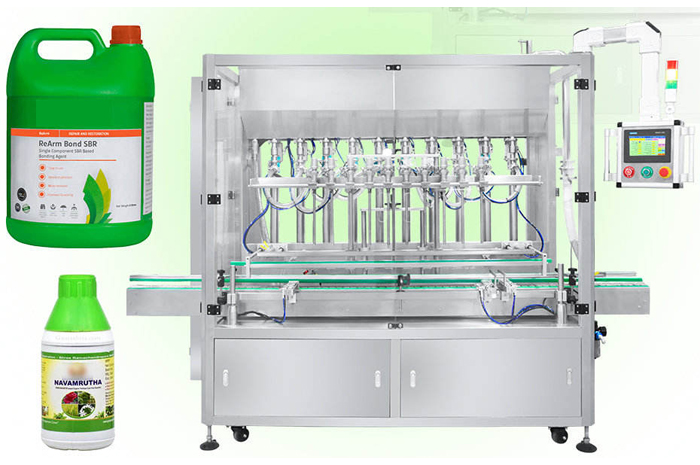
The MT-4G series utilizes a pneumatic drive system, where the reciprocating motion of a cylinder drives a piston within the material chamber. As the piston retracts, a negative pressure is created in the front chamber, drawing the material in; as the piston advances, the material is pushed out and dispensed into the container via a filling valve. The fill volume is adjusted by controlling the cylinder stroke through a signal valve—a longer stroke results in a larger volume of material being drawn and dispensed per cycle. This metering method features a simple design and intuitive adjustment, ensuring reliable filling accuracy.
II. Application Fields and Configuration Features
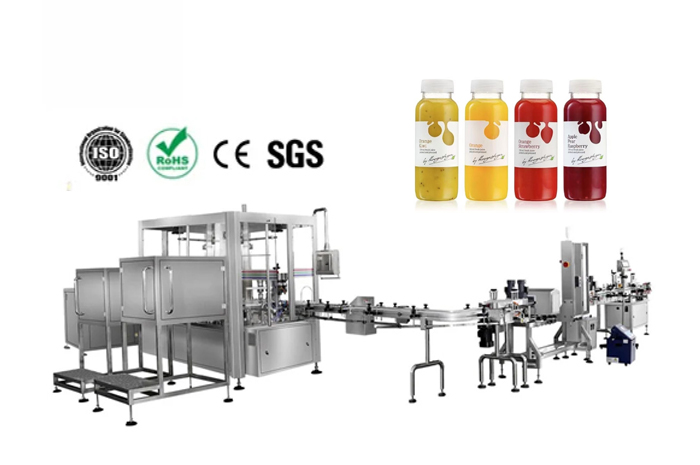
This machine is suitable for the quantitative filling of products with varying viscosities—ranging from liquids to pastes—and is widely used in industries such as personal care, food, pharmaceuticals, and oils/lubricants. The equipment boasts a compact layout, a streamlined appearance, and a well-engineered structure, making it easy to install and integrate into existing production lines. Key pneumatic components are sourced from reputable brands—such as SICK (Germany), Yataike (Shanghai), and Chumg (Taiwan)—ensuring stability and durability throughout the entire pneumatic system, from air supply treatment to the drive mechanism, thereby guaranteeing reliable continuous operation.
The equipment offers the following functional features:
Easy Adjustment: Fill volume is controlled by a signal valve that adjusts the cylinder stroke; adjustments are simple and require no specialized tools.
No-Bottle, No-Fill: Equipped with a photoelectric sensor, the machine only triggers the filling process when a container is detected in position, preventing material waste.
Precise Metering: The piston-based design is minimally affected by material viscosity, offering exceptionally high repeatability.
Counting Function: An integrated counting module facilitates the collection of production data.
III. Key Factors Affecting Equipment Performance
In actual operation, the following factors directly influence filling accuracy and speed:
Filling Accuracy: This is influenced by air pressure stability, material uniformity, and filling speed. Fluctuations in air pressure, or the presence of air bubbles, clumps, or other inconsistencies within the material, may lead to metering deviations.
Filling Speed: This is constrained by several factors, including material viscosity, the preset fill volume, the inner diameter of the filling nozzle, and the speed of the conveyor belt. When dealing with higher viscosity liquids or larger fill volumes, it may be necessary to reduce the filling speed to maintain dosing accuracy.
IV. Customer Case Study: Production Line Adaptation at a Personal and Home Care Manufacturer
A contract manufacturer of cleaning products based in Zhejiang province secured an order in 2024 for toilet bowl cleaners in 500ml and 1L sizes, packaged in uniquely angled (slanted) bottles. Their existing filling line was designed for standard, straight-walled bottles; consequently, the filling nozzles could not align properly with the openings of the slanted bottles, leading to frequent product splashing on the bottle exteriors and a persistently high rework rate.
Initially, the company considered purchasing a specialized filling machine for slanted bottles, but the order volume did not justify the investment in a dedicated production line. Instead, they opted for the MT-4G series. Two key factors drove this decision: **adjusting the fill volume requires no mechanical component changes**—switching between 500ml and 1L sizes is done simply by updating parameters on the touchscreen. Furthermore, the piston-based design is highly resilient to viscosity fluctuations when handling medium-viscosity liquids like cleaning agents, ensuring far greater consistency in fill volumes across different batches compared to their previous line.
During operation, they encountered a common challenge: fluctuations in air supply pressure—particularly during peak electricity usage hours in the afternoon—caused slight deviations in fill volume. By installing a pressure stabilizer at the air supply intake, they effectively eliminated the issue. This experience underscores a critical point mentioned earlier: the stability of air pressure has a tangible impact on filling accuracy.
With the current setup, the time required to reconfigure the line for different product specifications has been reduced from nearly half an hour to just a few minutes, and rework due to product splashing on the slanted bottles has been virtually eliminated. In the client’s own words: "The machine may not be the most high-tech, but it’s flexible enough to adapt to my orders."