In the packaging equipment procurement process, the communication style between buyers and suppliers directly impacts the smoothness of the cooperation. Some phrases, though seemingly common, can, from the supplier's perspective, create a "defense vs. offense" dynamic, hindering a successful deal.
The following three phrases will make suppliers' hearts skip a beat. It's not that these phrases themselves are wrong, but rather that they often conceal details that could optimize communication.
First phrase: "Other companies are much cheaper than you."
Suppliers often hear this. The key issue isn't the price difference, but rather the customer's lack of comparison criteria. Different configurations, materials, control systems, and after-sales service can all lead to significant price differences.
A better approach is: "I got quotes from other manufacturers, and their prices are lower than yours. Can you help me see where your configurations differ?" Asking this allows the supplier to analyze the differences instead of immediately lowering the price.
Second phrase: "Give me your lowest price first, and we can discuss the details if you can do it."
Without specific configuration requirements, bottle type parameters, and production capacity needs, it's difficult to provide a meaningful "lowest price." Equipment isn't standardized; the same filling machine with two filling heads will have a completely different price than one with eight.
A better approach is: "Here are my bottle samples, cap samples, production capacity requirements, and budget range. Based on this information, could you provide a preliminary plan and quote?" Asking with your needs in mind will encourage suppliers to take your questions seriously.
The third approach is: "Just send the equipment over; we'll discuss any problems later."
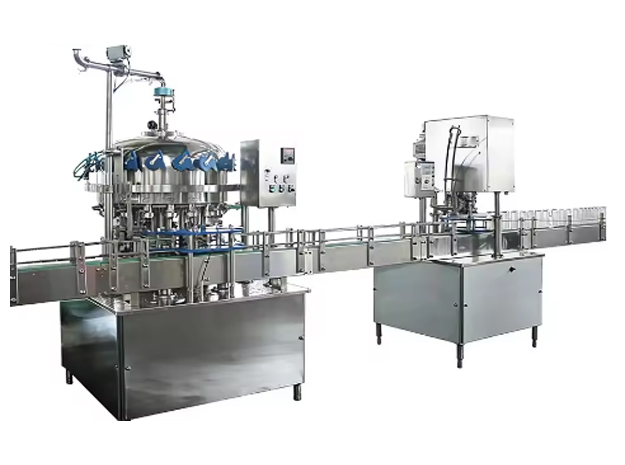
Packaging equipment requires on-site commissioning. The same machine can perform drastically differently in different factories, with different materials, and under different operating habits. If problems are only discovered after the equipment arrives on-site, the back-and-forth communication and sending personnel increases costs for both parties.
A better approach is: "After the equipment arrives, could you arrange training? Or is there a detailed operating manual?" Clearly defining the commissioning process beforehand is far more efficient than trying to fix things afterward.
This change in wording isn't about making concessions, but about making communication more efficient. Asking with your needs in mind, providing suppliers with sufficient information, actually makes them more willing to offer better prices and services. If you are planning to purchase packaging equipment, please feel free to contact us. We are willing to work with prepared clients to make the project a success.