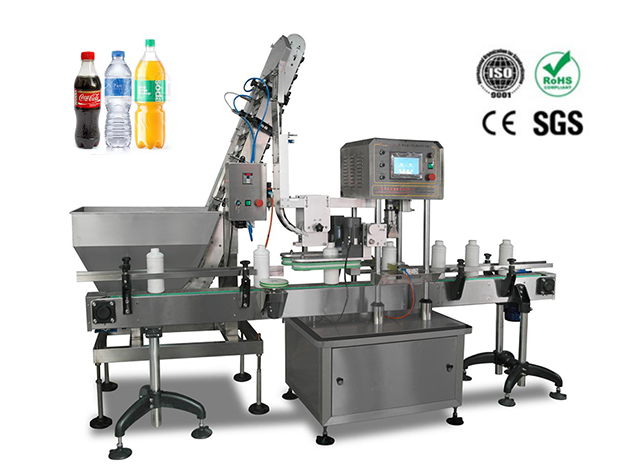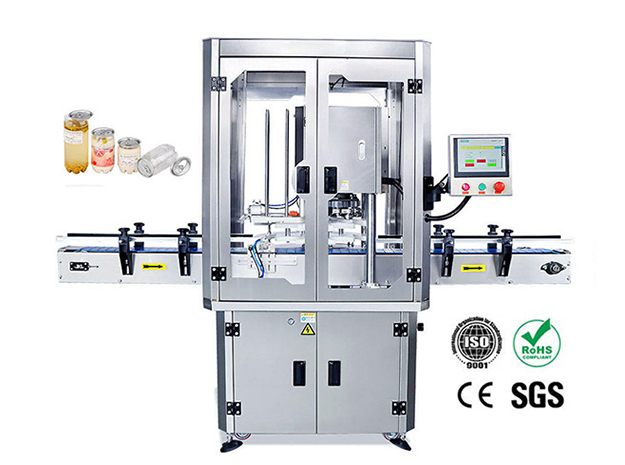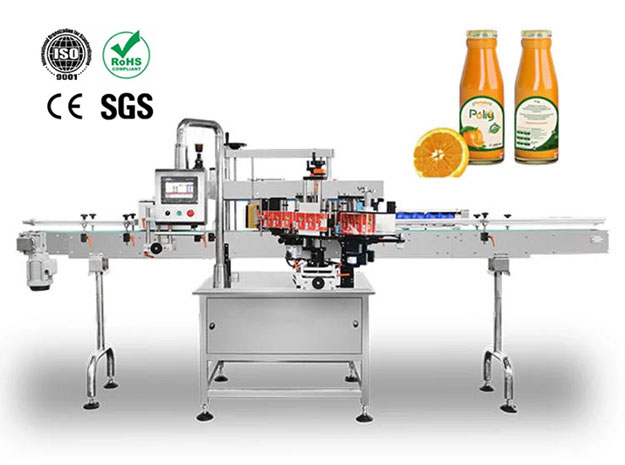
When packaging equipment needs to be transported across borders or provinces, many customers ask: sea freight, air freight, or land freight—which should I choose? The answer depends on three factors: equipment size, time requirements, and budget.
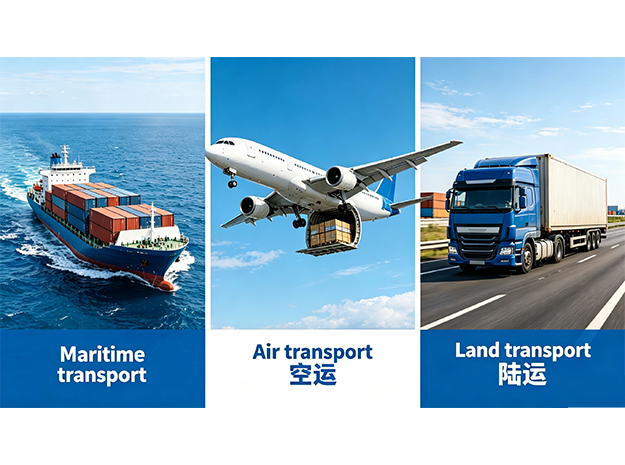
Sea freight is the most common transportation method for medium and large-sized packaging equipment, especially suitable for international transport. Its advantages include the lowest freight costs, suitability for large and heavy equipment such as filling machines, labeling machines, and capping machines, and the ability to support an entire production line. However, its disadvantages include long transit times (typically 30-45 days from China to Europe and America), significant susceptibility to weather and port customs clearance, and stringent packaging requirements, necessitating moisture and shock protection. Sea freight is suitable for international procurement, non-urgent delivery dates, and limited budgets.
Air freight is suitable for small equipment or urgent replenishment. Its advantages include speed (generally 3-7 days to major cities worldwide) and relatively simple customs clearance. However, the disadvantages are extremely high freight costs, charged by weight, which are generally unaffordable for large equipment, and strict size and weight restrictions, with single items typically not exceeding 500kg. Air freight is suitable for urgent spare parts, small desktop equipment, sample delivery, or emergency situations such as sudden production line shutdowns.
Land transportation, including trucks and trains, is mainly suitable for transport between countries on the same continent or adjacent countries. Its advantages are door-to-door service, no transshipment required, transport of large equipment, and controllable delivery time, generally reaching neighboring countries in 3-10 days. However, the disadvantages are that cross-border land transportation involves customs in multiple countries, resulting in cumbersome procedures, and the cost for long-distance transportation is not necessarily lower than sea freight. Land transportation is suitable for domestic transportation or equipment delivery between adjacent regions such as Central Asia, Southeast Asia, and Europe.
In comparison, sea freight has a delivery time of 30-45 days and low cost, suitable for medium and large-sized equipment and complete production lines, for non-urgent cross-border scenarios; air freight has a delivery time of 3-7 days and high cost, suitable for small equipment and spare parts, for urgent situations or sample delivery; land transportation has a delivery time of 3-10 days and moderate cost, suitable for all types of equipment, for regional transportation or domestic delivery. In practice, here are a few useful suggestions. First, plan ahead. While sea freight is cheaper, it requires ample time. If the customer needs to start production urgently, it's recommended to place the order two months in advance. Second, ensure proper packaging. Regardless of the shipping method, ensure proper moisture-proofing, shockproofing, and rust-proofing. We recommend using fumigation-free wooden crates or reinforced steel frames. Third, purchase insurance. Equipment transportation carries risks such as bumps and moisture damage. Cargo insurance is inexpensive but can prevent significant losses.
In general, there is no absolutely "best" way to package and transport equipment, only the "most suitable." If you are not in a hurry and have a limited budget, choose sea freight; if it's urgent and the equipment is small, choose air freight; for transportation to neighboring countries or within China, choose land transport. If you are planning to purchase equipment and are unsure which shipping method is more suitable, please contact us. We can recommend the optimal shipping solution based on your destination, equipment list, and delivery requirements.