In the past, manual capping was the "standard" for small-scale cosmetic production. Founders and a few employees would sit around a workbench, tightening caps one bottle at a time—a scene often portrayed as a testament to craftsmanship in beauty startup stories. However, the reality is that manual capping is being abandoned by an increasing number of emerging brands. Data shows that approximately 70% of small cosmetic brands have already switched to or are planning to switch to automated capping equipment. What happened?
Tightening a bottle cap is far more complex than it seems.
Manual capping, while seemingly simple, actually hides three intractable pain points:
First, torque cannot be standardized. Everyone's arm strength is different, and even the same person's condition varies throughout the day. A cap tightened today might be too loose tomorrow, causing leakage, or too tight, making it impossible for the consumer to open. For high-value products like serums and essential oils, a leak from one bottle can contaminate the entire packaging, losing not just a single product, but a customer's trust.
Second, efficiency bottlenecks are difficult to overcome. A skilled worker can screw on approximately 300-400 bottle caps per hour. When a brand's daily sales increase from 100 orders to 1000 orders, 2-3 more dedicated capping workers are needed. However, the labor costs of recruitment, training, and management are far greater than the effort required to screw on the caps themselves.
Third, hygiene risks cannot be ignored. Cosmetic production has strict requirements for cleanliness. Direct contact between human hands and bottle caps can introduce skin flakes, sweat, and even bacteria. This risk of contamination is particularly critical for products without preservatives or natural ingredients.
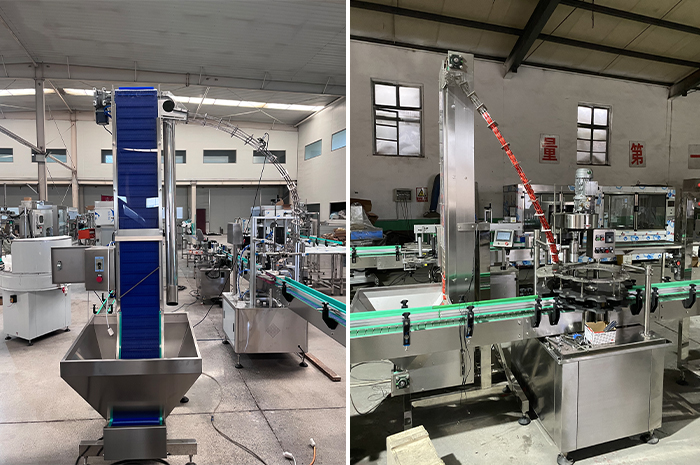
Why Automated Capping Machines Have Become a "Necessity"
Small cosmetic brands are turning to automatic capping machines for three main reasons:
First, precise and controllable torque. Automatic capping machines use electronic or servo control, allowing for precise setting of the capping torque with an error within ±0.1 N·m. This means that the tightness of each cap is completely consistent, preventing leakage and ensuring that consumers won't accidentally slip and fail to open the cap.
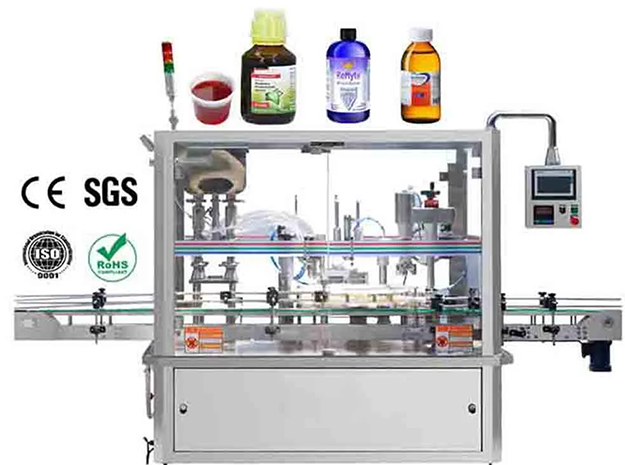
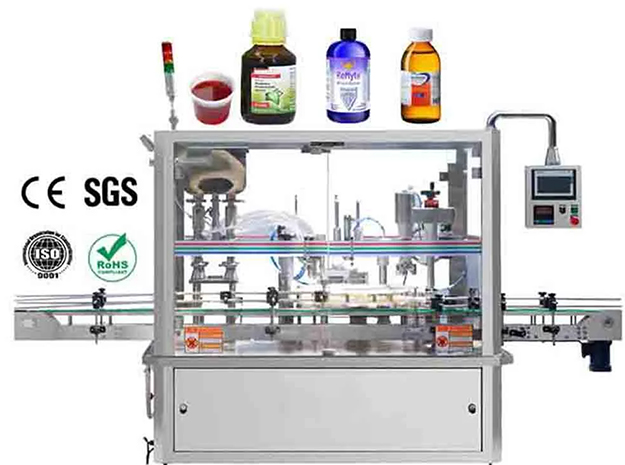
Second, efficiency is increased by 3-5 times. A single-head automatic capping machine can produce 20-40 caps per minute, equivalent to the output of 2-3 workers. More importantly, the machine doesn't get tired, doesn't take breaks, and its quality isn't affected by its performance.
Thirdly, the return on investment is short. Currently, the price of small benchtop automatic capping machines on the market has dropped to the several thousand yuan level. Based on a worker's monthly salary, the equipment cost can usually be recovered in 3-6 months. For brands with a daily output exceeding 500 bottles, this calculation is easy to understand.
The trend is already established.
As consumers demand higher packaging quality and labor costs continue to rise, manual capping is changing from an "optional" to an "inevitable" option. 70% of small cosmetic brands have already taken this step—the remaining 30% may only be a matter of time.
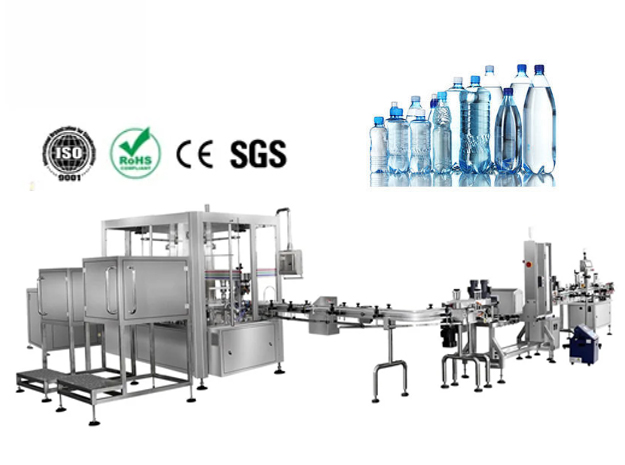
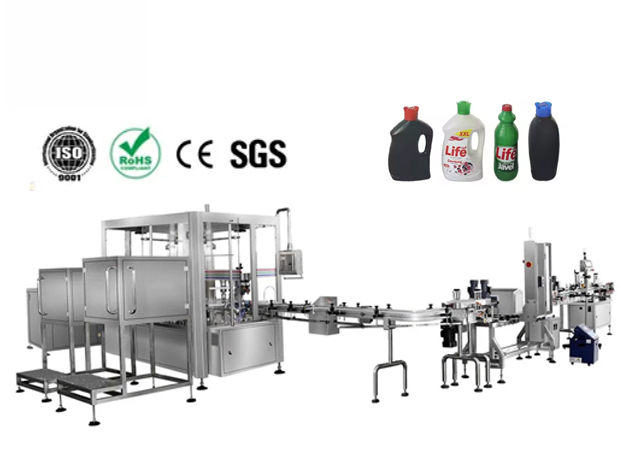
When your competitors are already using machines to ensure consistent sealing of every bottle, manual capping is no longer a matter of craftsmanship, but a weakness. Our factory can customize fully automatic capping machines according to your bottle and cap sizes, not only increasing output but also improving quality.