Against the backdrop of upgrading drinking water consumption and continuously increasing demand for quality, the packaged drinking water industry is undergoing a profound transformation from "having water to drink" to "drinking good water." As the most critical technological link in the bottling production chain, the performance of water purification equipment not only determines the safety level of the finished water but also directly affects the production efficiency and operating costs of bottling companies. With the deep integration of membrane separation technology, automated control technology, and sanitary engineering design, modern water purification equipment has built a complete chain guarantee system from deep purification to aseptic filling, providing a systematic technological upgrade solution for the water bottling industry.
I. High-Precision Membrane Separation Technology: Building the First Line of Defense for Water Quality Safety
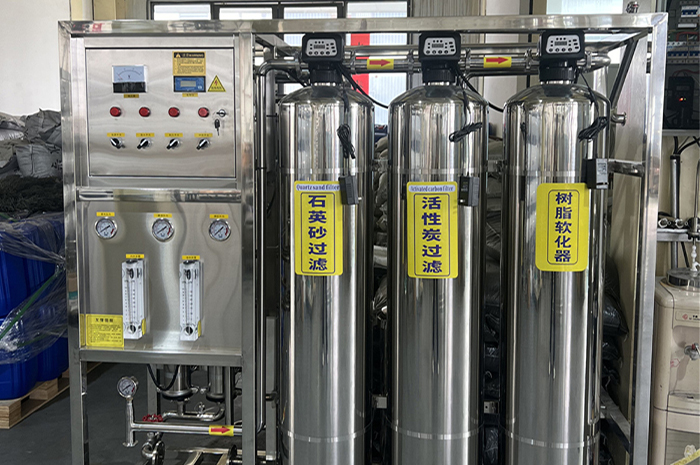
Water bottling production has extremely stringent requirements for raw water treatment, and the technological foundation of modern water purification equipment lies in the mature application of reverse osmosis (RO) membrane separation technology. The core component of this technology is a semi-permeable membrane, with a filtration precision of up to 0.0001 microns, a size far smaller than the particle size of most viruses, bacteria, and organic pollutants. Driven by specific pressure, suspended solids, colloids, heavy metal ions, soluble salts, and microorganisms in the raw water are efficiently retained, and the system's desalination rate can be stably maintained above 98%.
Compared to traditional coarse filtration methods such as sand filtration and carbon filtration, reverse osmosis technology represents a leapfrog upgrade from "physical sieving" to "molecular-level separation." Combined with ozone terminal disinfection or ultraviolet online sterilization devices, the water purification equipment can thoroughly remove all kinds of pollutants that may be present in the raw water before bottling, ensuring that the product water quality consistently meets or exceeds the requirements of GB 17324-2003 "Hygienic Standard for Bottled (Barrelled) Drinking Pure Water." This source-treatment purification strategy provides the highest level of water quality "raw material" guarantee for subsequent bottling processes, mitigating the risk of finished product quality fluctuations caused by raw water variations from a process design perspective.
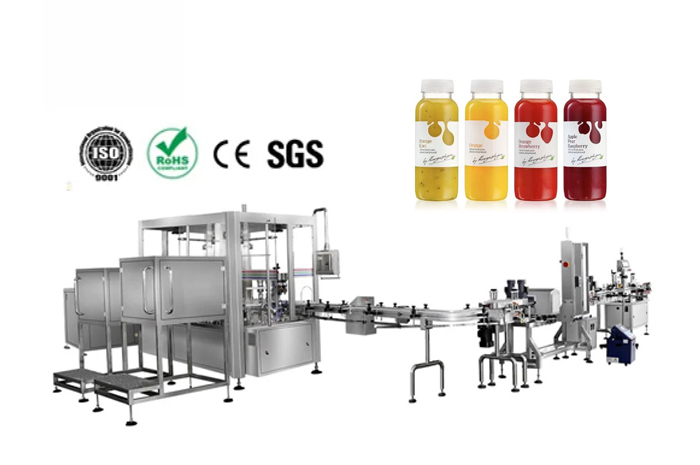
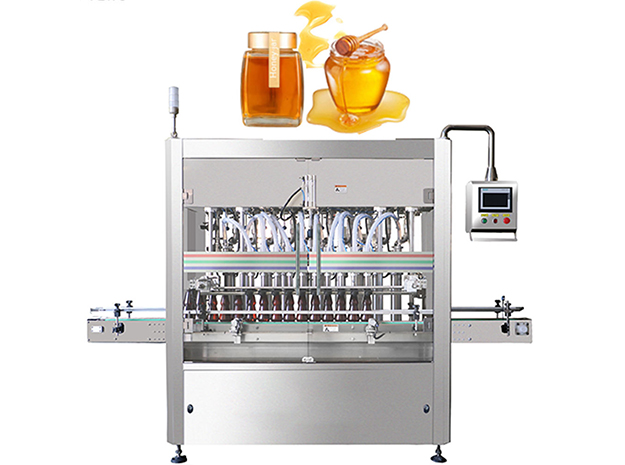
II. Full-Process Automated Integration: Building a Pollution Prevention Barrier in the Filling Process* In traditional water bottling production, the separate layout of "independent water production + branch filling" has long suffered from problems such as complex pipeline connections, numerous intermediate water storage stages, and frequent manual intervention, objectively increasing the probability of secondary contamination of the finished water. Addressing this industry pain point, current mainstream water purification and filling systems adopt a highly integrated, one-piece design, modularly integrating the reverse osmosis water purification unit, sterile buffer storage tank, and fully automated filling unit.
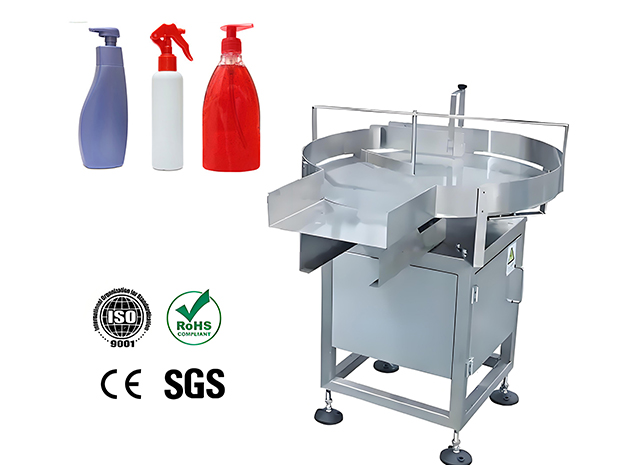
The entire production line, from uncapping empty barrels, high-pressure internal and external spray washing, and multiple disinfectant rinses, to quantitative filling, cap sorting and sealing, is uniformly scheduled and completed within a closed tunnel by a programmable logic controller (PLC). This design offers two core advantages: First, full-process automation minimizes manual intervention, fundamentally reducing the risk of microbial contamination from human contact. Second, the system achieves a direct "filter-and-fill" supply mode, where purified water bypasses intermediate storage tanks and long-distance pipelines, directly entering the filling valve for quantitative dispensing. This effectively avoids secondary deterioration and water quality degradation that may occur due to stagnant storage, ensuring high consistency in product quality between batches.
III. Hygienic Materials and Precision Manufacturing: Solidifying the Foundation for Quality Throughout the Entire Lifecycle
The material selection and processing technology of every component in the filling equipment that comes into direct contact with water affect the long-term stability of the finished water. Modern water purification equipment strictly selects food-grade SUS304 or the more corrosion-resistant SUS316L austenitic stainless steel, and mechanically polishes and electrochemically passivates the inner walls of all flow-through components, strictly controlling the surface roughness to below Ra 0.4μm. This treatment process not only effectively prevents corrosion and ion leaching of materials under long-term water contact, but also eliminates the physical basis for bacterial adhesion and biofilm formation at the microstructural level.
In terms of design details, the system's pipe connections eliminate right-angle bends that could cause media stagnation, and generally adopt 45° large-angle smooth bends and double-sided argon arc welding technology to ensure smooth and unobstructed inner walls of the pipes, without any dead corners or residue. The significance of this design is that during routine cleaning and disinfection, the cleaning solution can flow smoothly through every section of the pipe, preventing residual liquid from becoming a breeding ground for microorganisms. As emphasized by the fundamental principle in sanitary engineering—"no dead corners, no growth"—it is this meticulous control over every pipe fitting and every weld that ensures the water purification equipment consistently outputs qualified products throughout its service life.
In summary, the advantage of modern water purification equipment in the water filling field lies in a mutually supportive and progressively advancing technological system. It utilizes high-precision reverse osmosis membrane separation technology to ensure the purity and stability of water quality from the source; its highly integrated fully automated filling process achieves a simultaneous leap in production efficiency and hygiene safety; and its stringent hygiene-grade materials and flawless process design provide physical support for the long-term reliable operation of the equipment. These three elements together form a closed-loop quality assurance system covering the entire chain from water production to transportation and filling. For filling companies, introducing advanced water purification equipment is not only a necessary condition for meeting national hygiene standards, but also a strategic investment to enhance brand credibility, reduce quality risks, and strengthen market competitiveness. Against the backdrop of increasingly stringent consumer demands for drinking water safety and quality, the technological advantages of water purification equipment are increasingly transforming into a core competitive barrier for enterprises. Henan Mingtan has extended its packaging equipment line to include water purification equipment, conveniently meeting customers' one-stop needs. If you need water purification equipment, please contact us, and we will configure it for you.