In the filling equipment industry, a quote is never simply a matter of adding up the prices of a few machines. A truly professional, comprehensive, and convincing quote requires a thorough understanding of the client's production needs, material characteristics, capacity targets, and site conditions. Sales and technical engineers often make a common mistake: quoting only what the client specifically asks for. This results in flawed proposals and leads to frequent price adjustments and additional items later on—undermining client trust and slowing down the sales process.
So, what specific information is required to provide a complete quote for a filling production line? We can break this down into six key dimensions:
I. Material Information: What is being filled?
This is the most fundamental and critical step. Factors such as flowability, viscosity, corrosiveness, particle content, and foaming tendencies directly determine the choice of filling method.
Key information needed includes: material name, state (liquid, paste, sauce, etc.), viscosity range, temperature, particle presence and size, volatility or corrosiveness, and whether it requires food-grade or pharmaceutical-grade standards. For instance, liquid products might use flow-meter filling machines, whereas high-viscosity sauces require piston or rotary lobe pumps. If the material contains particles, one must also consider whether the filling valve aperture is prone to clogging.
II. Capacity and Specifications: How much and how fast?
Production capacity determines the scale of the line, the number of workstations, and the level of automation. You need to know: hourly or daily output targets, the filling volume range per bottle, bottle specifications (neck diameter, height, body shape), and whether the line needs to handle multiple bottle sizes.
If a client specifies "3,000 bottles per hour," you must clarify whether this applies to a single shift or multiple shifts, and whether it represents a steady-state or peak capacity. Significant errors in capacity estimation can lead to selecting equipment that is either too small to keep up with demand or unnecessarily large, resulting in wasted investment.
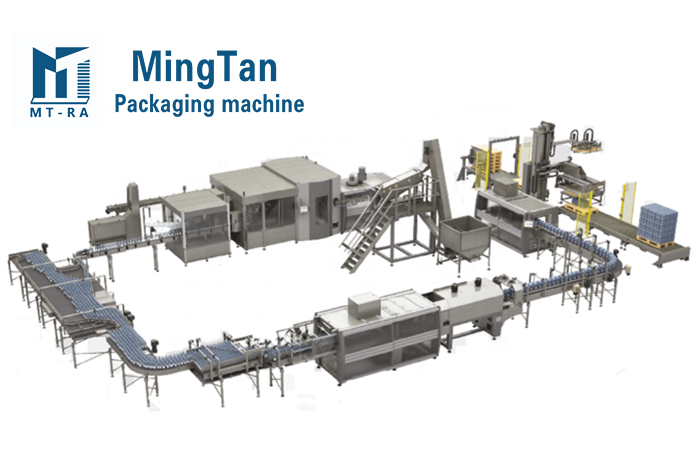
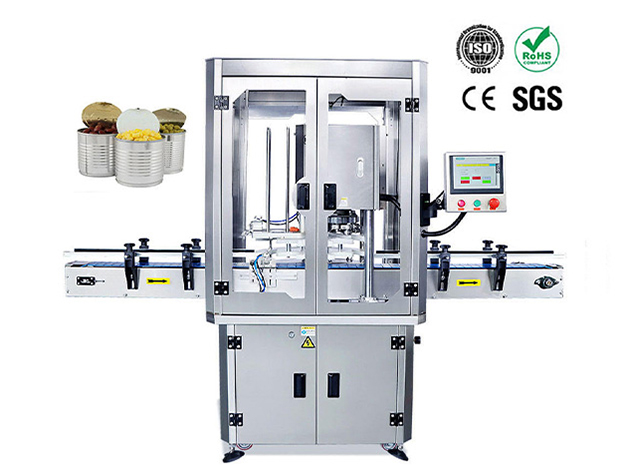
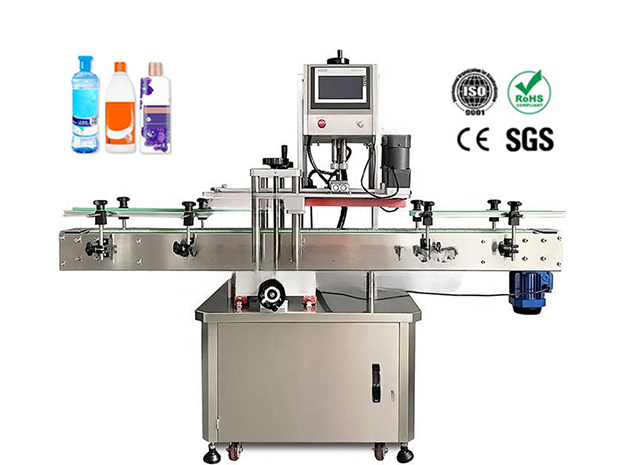
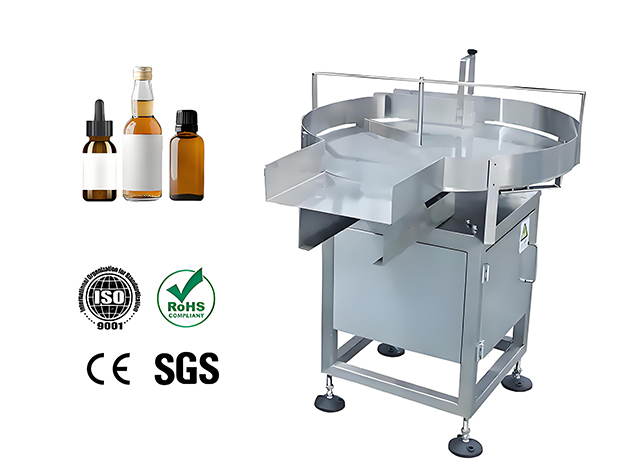
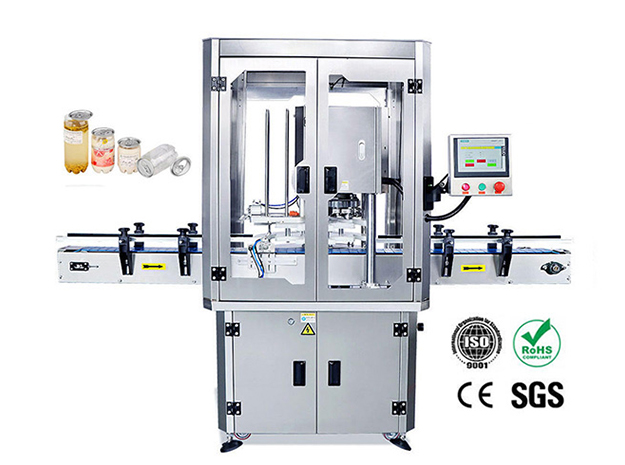
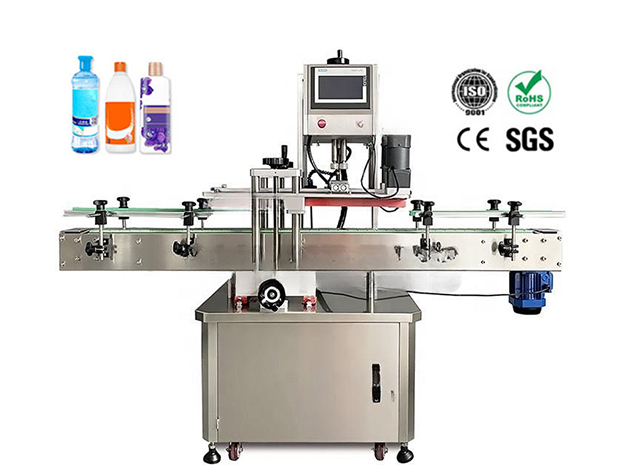
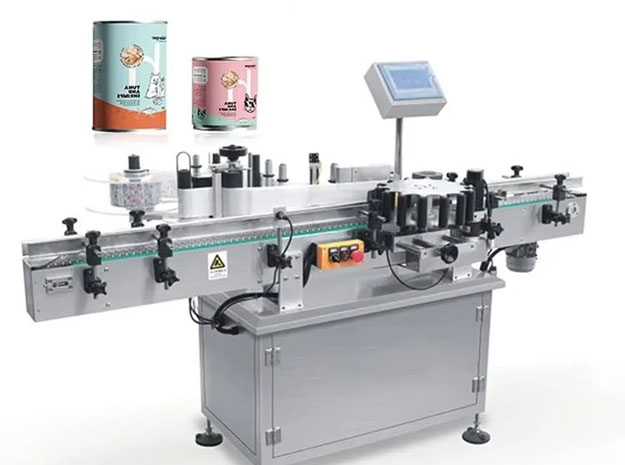
III. Packaging and Ancillary Equipment: How are bottles, caps, and labels handled? A complete filling production line typically comprises more than just the filling machine itself; it encompasses stages such as bottle unscrambling, washing, filling, capping, labeling, coding, and case packing. Key information to gather includes: bottle source (consistency of incoming materials), cap type (screw cap, press-on cap, pump dispenser, etc.), labeling requirements (and label type), coding requirements, and whether case packing or palletizing is needed.
These auxiliary stages directly determine the production line's length, the number of workstations, and the overall price quote. Many clients initially state they simply "need a filling machine," only to realize later that equipment for capping, labeling, and other tasks is also required, leading to a significant budget increase.
IV. Site Conditions: Will it fit in the facility?
No matter how excellent the equipment is, it is useless if it cannot fit on-site. Key factors to consider include: facility floor area and ceiling height, floor load-bearing capacity, material infeed/outfeed direction, utility connections (voltage, air pressure, explosion-proof requirements), and any cleanroom classification requirements.
Ceiling height is particularly critical; many filling lines include hoppers and cap-feeding mechanisms that require specific vertical clearance. Insufficient height may necessitate a low-profile design or a layout adjustment. Furthermore, the food and pharmaceutical industries have strict cleanroom classification standards, requiring corresponding upgrades to equipment materials and control systems.
V. Automation and Control: What level of automation is required?
The level of automation is a key variable affecting the price quote. Important considerations include: whether the client prefers semi-automatic or fully automatic operation, the need for PLC control and touchscreen interfaces, requirements for data logging and traceability, and the need for integration with existing MES systems.
Semi-automatic equipment has a lower initial cost but entails higher labor expenses; fully automatic lines require a larger initial investment but offer greater long-term stability and reduced labor needs. Recommendations should be based on the client's production volume, labor costs, and long-term plans, rather than simply pushing for high-end specifications.
VI. Commercial and Compliance Aspects: Budget, Lead Time, and Certification
Finally, it is essential to understand the client's budget range, expected delivery schedule, and payment terms, as well as any requirements for certifications such as CE, GMP, or UL. These factors influence material selection, supplier choices, and the overall pricing structure. Clarifying these details upfront helps avoid disputes later regarding certification or delivery timelines.
Filling production lines are typically configured using standard equipment, though machines can be added or removed to meet specific client requirements. For example, you could add water purification equipment to the front end of the filling line or reduce the equipment at the back end. Henan Mingtan specializes in the manufacturing and sales of filling lines; please feel free to contact us if you need a one-stop solution.