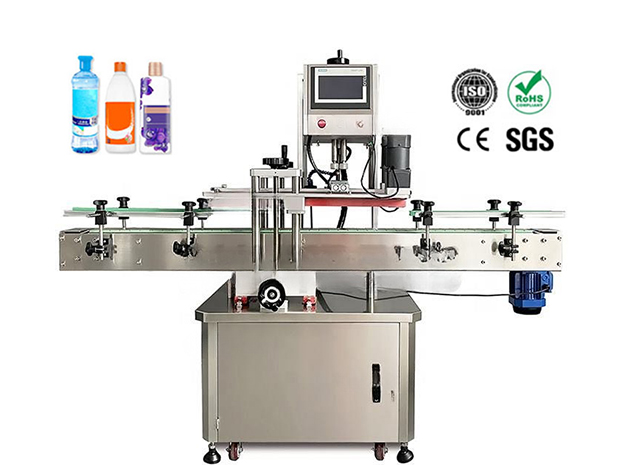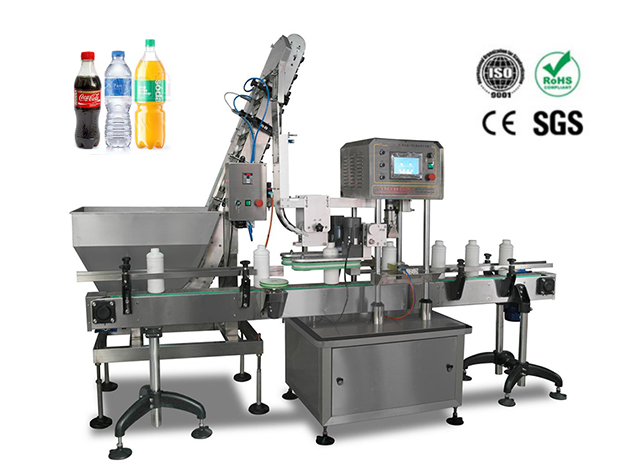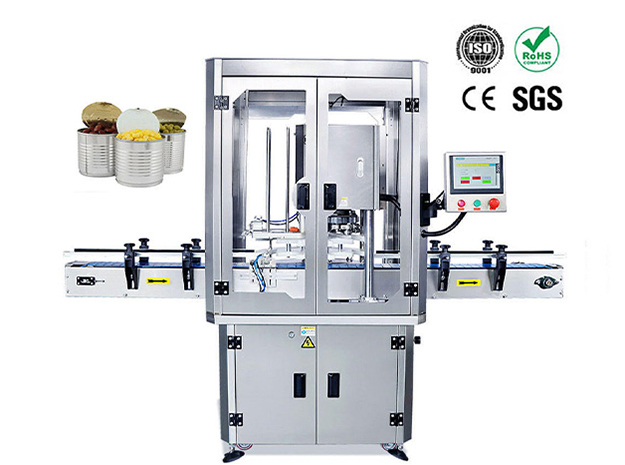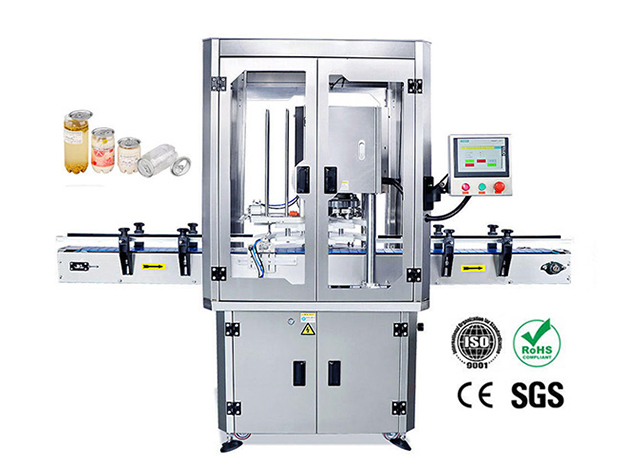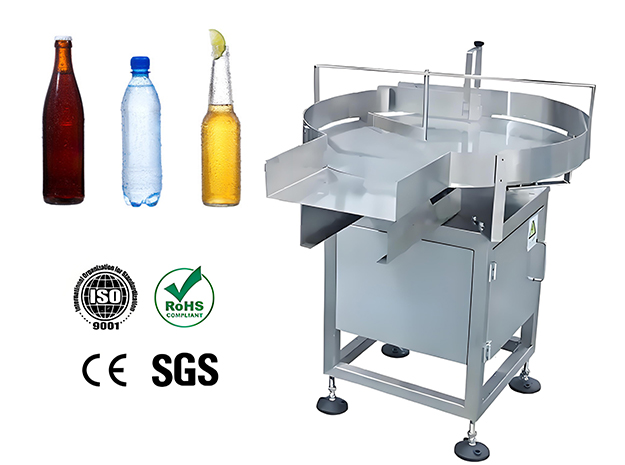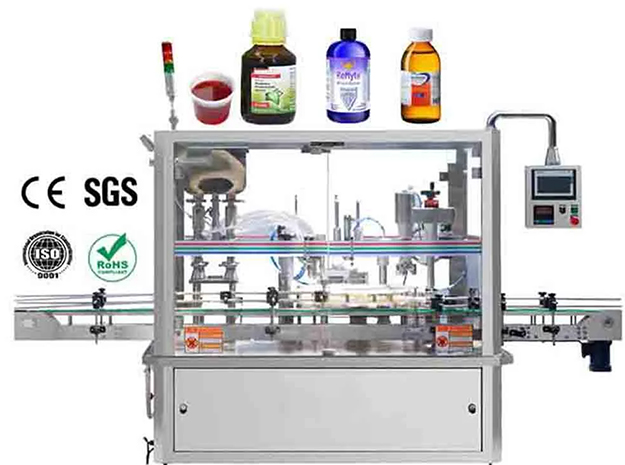
An edible oil filling production line is a core equipment system that enables edible oil manufacturers to achieve large-scale, standardized packaging. A complete, fully automated edible oil filling line is not a single piece of equipment but an automated assembly line composed of multiple functional modules, capable of executing the entire process from empty bottle handling to finished product packaging.
I. Core Components of the Production Line
A typical fully automated edible oil filling line usually comprises the following core units: bottle unscrambler, bottle washer, dryer, filling machine, capping machine, labeling machine, inkjet coder, case packer, and case sealer. Some high-end configurations also include auxiliary equipment such as light inspection machines and bottle-neck shrink tunnels. These units are linked by conveyor belts, forming a closed-loop automated process that extends from empty bottle transport to the discharge of finished products.
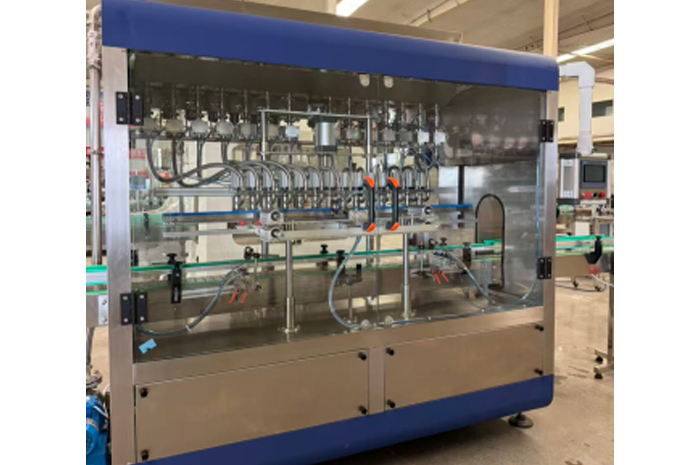
The filling machine serves as the heart of the entire production line. Mainstream edible oil filling machines typically utilize high-precision volumetric flow meters for quantitative measurement, combined with PLC program control to enable precise setting and automatic adjustment of filling volumes; filling accuracy is generally maintained within ±0.2%. Some high-end models employ a weight-based filling principle, using electronic scales for real-time weight monitoring and feedback control; this offers superior accuracy, making it particularly suitable for filling high-value-added edible oils.
II. Key Technologies and Process Characteristics
Due to the viscosity characteristics of edible oil, the filling equipment must meet specific requirements. Modern edible oil filling lines generally feature the following technical characteristics:
Drip and Contamination Prevention: The filling heads utilize a dual anti-drip design combining mechanical sealing and vacuum suction; residual oil in the nozzle is drawn back after filling, effectively preventing drips from contaminating the bottle body or the work environment. Components in direct contact with the oil are made of 304 or 316L food-grade stainless steel, complying with food safety and hygiene standards.
Intelligent Dual-Flow-Rate Filling: To address the tendency of edible oil to foam, the equipment employs a dual-flow-rate filling mode—high flow initially to boost efficiency, followed by low flow to prevent foam overflow—thereby ensuring both filling accuracy and aesthetic quality. Anti-oxidation Treatment: To prevent edible oil from oxidizing and spoiling, some production lines are equipped with nitrogen preservation systems or inject liquid nitrogen during the filling process to displace and expel air from the bottles.
III. Production Efficiency and Flexible Configuration
The number of filling heads on an edible oil filling line can be flexibly configured based on capacity requirements—typically ranging from 2 to 10 heads—with a production rate of 100–200 containers per hour per head. The system accommodates a wide range of filling volumes, from small 100mL bottles to large 20L drums. Filling parameters can be quickly adjusted via a touchscreen interface, making the line suitable for oils of varying viscosities, such as peanut, soybean, rapeseed, and olive oils.
A well-configured edible oil filling line is essential for ensuring efficient, precise, and safe packaging. When selecting equipment, enterprises should consider product categories, packaging specifications, production targets, and hygiene standards. Opting for a solution that features high-precision metering, anti-drip designs, and flexible changeover capabilities will provide a competitive edge in the market. Henan Mingtan has successfully customized and commissioned professional filling lines for numerous international clients in the edible oil industry. If you require an edible oil filling production line, please leave us a message or contact us directly via WhatsApp.