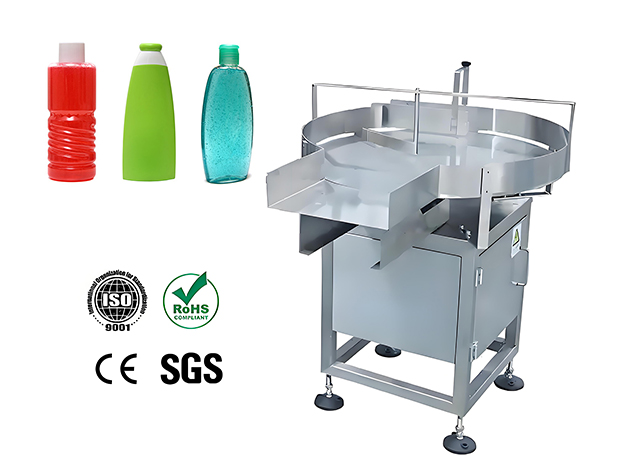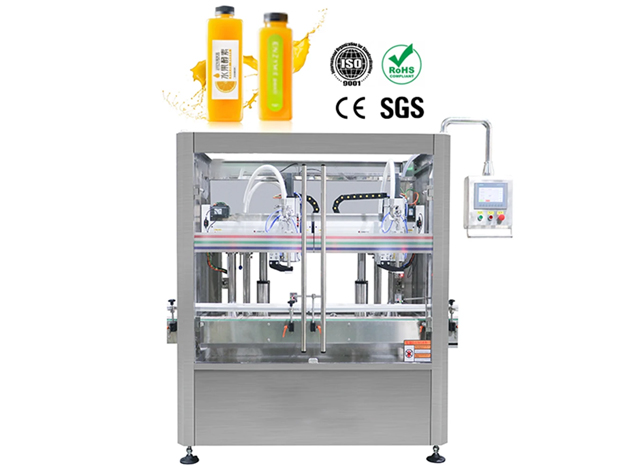
In our packaging machinery workshop, the shipping process marks not only the conclusion of product delivery but also the starting point for upholding our corporate image and quality commitment. A standardized, efficient shipping process significantly reduces transit damage and boosts customer satisfaction. Our workshop strictly adheres to a standardized shipping workflow comprising six core stages—pre-shipment testing, test-run video recording, disassembly and packing, crating and palletizing, final crate sealing, and loading for shipment—to ensure every piece of equipment arrives safely and in perfect condition at the customer's site.
I. Pre-Shipment Testing: The Final Quality Verification Gate
Before being cleared for shipment, all equipment must pass comprehensive performance tests. These tests are tailored to the specific equipment type and customer requirements, typically covering: functional testing to verify that operations, running parameters, and control systems meet standards; stability testing involving continuous operation under simulated real-world conditions to identify potential issues; and safety testing to ensure the effectiveness of electrical insulation, grounding protection, and emergency stop mechanisms. Upon completion, quality inspectors issue an "Equipment Pre-Shipment Test Report" as authorization for release. Any failed test items require rectification and re-testing; shipping equipment with unresolved defects is strictly prohibited.
II. Test-Run Video Recording: Providing Visual Evidence for Customer Acceptance
Once testing is successfully completed, designated personnel record the entire operation of the equipment. Filming requirements include panoramic shots to display the overall appearance and operational status, close-ups of key actions to highlight the timing and processing results of core components, and close-ups of parameter panels to clearly document settings and ensure alignment with contractual specifications. The recorded video is sent to the customer via email or cloud link to serve as the basis for remote preliminary acceptance. The disassembly and packing phase begins only after the customer confirms everything is correct. This practice effectively shortens the on-site commissioning period and prevents disputes arising from changes in equipment status during transit.
III. Disassembly and Packing: Meticulous Pre-Shipment Preparation
After the customer confirms the equipment, it proceeds to the disassembly and cleaning stage. This involves removing vulnerable accessories—such as sensors, control panels, and external piping—and packaging and labeling them separately; draining fluids like hydraulic oil and coolant to prevent leakage during transit; applying anti-rust oil to machined surfaces and thoroughly cleaning the equipment to remove dust; and securing moving parts with stopper blocks or straps to prevent displacement caused by transport vibrations. Disassembled components are categorized by number and recorded on a "Disassembly Inventory List" to ensure efficient reassembly upon arrival at the destination.
IV. Palletizing: Reinforcement and Unitization
For equipment requiring forklift handling, we secure the unit onto a standardized pallet to create a stable "load unit." Key operational steps include: selecting a wooden pallet with an appropriate load-bearing capacity based on the equipment's weight and dimensions; firmly connecting the equipment base to the pallet using steel strapping or bolts, supplemented by wooden blocking to prevent tipping; and placing rubber or cardboard padding between the equipment and the straps to prevent scratching the paintwork. Once palletizing is complete, a tilt test is conducted to ensure the equipment does not shift at a 45-degree angle before proceeding to the next step.
V. Wooden Crate Packaging: Constructing the Outer Line of Defense for Transport Safety
The palletized equipment is enclosed in a custom-made wooden crate, manufactured and packed according to strict specifications. Crates are constructed from solid wood or high-strength plywood, custom-sized to the equipment, with forklift entry slots provided at the base. The equipment is wrapped in PE stretch film with desiccant included, while the crate exterior is coated with waterproof paint or covered with waterproof sheeting to ensure moisture protection. Warning labels—such as "This Side Up," "Keep Dry," "Fragile," and "Center of Gravity"—are affixed to the crate walls, along with consignee information. The lid is secured to the crate body using galvanized steel straps or bolts, and reinforcing angle irons are installed at the four corners. After packaging, quality inspectors conduct a final check of the crate's sealing and reinforcement, and photographs of the packed crate are taken for record-keeping. VI. Loading and Shipment: Final Execution and Documentation Handover
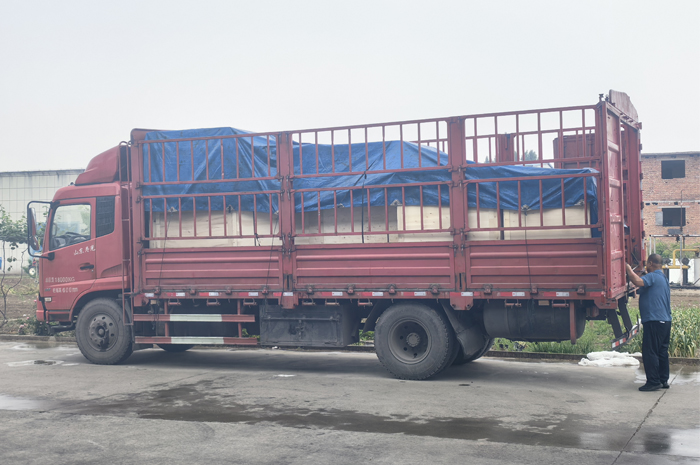
The loading process directly impacts the safety of the equipment during transit; therefore, the following operational standards apply: select a truck that meets requirements based on the equipment's total weight and dimensions, and ensure the cargo bed is clean and free of debris; use overhead cranes or forklifts to handle wooden crates smoothly, strictly adhering to the principle of "heavy items below light items, large items below small items"; secure crates to the vehicle body using professional lashing straps and fill any gaps with inflatable dunnage bags or timber blocks to prevent shifting during sudden braking; upon completion of loading, the warehouse manager and the driver jointly verify documents such as the Delivery Note, Packing List, and Certificate of Conformity, signing off to authorize the shipment's departure.
The shipping process serves as a vital window through which manufacturing enterprises demonstrate their management standards. From equipment testing to loading and dispatch, every step embodies a deep respect for product quality and an unwavering commitment to the customer. Our workshop will continuously refine process details and implement digital tracking methods to ensure that "every piece of equipment shipped represents a promise of reliability." Only by establishing a closed-loop process and assigning clear individual accountability can we truly achieve the goal of "zero shipping errors and zero customer complaints." We strictly adhere to these procedures prior to shipment to safeguard product quality and our own interests, thereby minimizing unnecessary complications arising from pre- and post-packaging workflows.