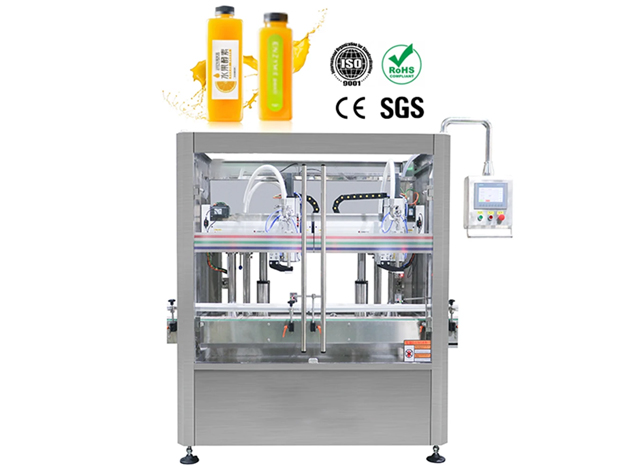
Filling speed is a key indicator of equipment productivity. However, in real-world operation, speed cannot be raised without limit; it is constrained by material properties, equipment configuration, and process requirements. The following examines the principal factors affecting filling speed across seven dimensions, helping operators establish reasonable operating parameters and strike a balance between efficiency and quality.
I. Suction Rate
Suction rate is mainly governed by material viscosity. Low-viscosity materials flow readily with little suction resistance, permitting higher feed rates. High-viscosity pastes, conversely, exhibit poor flowability, resulting in slower suction. When choosing equipment, the feed piping and pumping system should be matched to the material's characteristics.
II. Filling Nozzle Diameter
The inner diameter of the filling nozzle directly determines material throughput per unit time. Larger diameters permit greater flow rates and faster filling. It should be noted, however, that enlarging the nozzle diameter may compromise filling accuracy, particularly in small-volume filling applications where careful consideration is required.
III. Product Foaming Tendency
Highly foaming materials tend to generate foam during high-speed filling, which can lead to inaccurate metering or overflow. For such products, filling speed should be reduced appropriately to ensure a smooth liquid-level rise and minimize bubble formation.
IV. Nozzle Lifting Speed
Once filling is complete, the nozzle must rise clear of the bottle mouth before the next cycle can commence. An excessively slow lifting speed prolongs cycle time and disrupts overall production rhythm. This parameter can be adjusted through the equipment control system to accommodate different bottle heights and production pacing.
V. Filling Volume
Larger filling volumes require longer dispensing time per cycle, naturally resulting in lower overall speed. When setting production capacity, the relationship between single-bottle volume and target output should be taken into account.
VI. Filling Accuracy Requirements
Higher accuracy requirements necessitate slower filling at the end of the cycle to reduce the influence of inertia on metering results. Accuracy and speed are inversely related and must be balanced according to actual process requirements.
VII. Conveyor Belt Speed
Conveyor belt speed determines the frequency at which bottles enter and exit the filling zone. Higher speeds allow more bottles to be processed per unit time. The conveying speed can be adjusted steplessly via the worm gear reducer or frequency converter, synchronized with the filling action to prevent bottle accumulation or gaps.