In industries such as food, beverage, pharmaceuticals, and cosmetics, the cleanliness of packaging containers directly affects product quality and safety. A single bottle with residual stains, bacteria, or cleaning agent residue can ruin the quality of an entire batch of products, even leading to consumer complaints or regulatory penalties. Traditional bottle washing methods often rely on manual cleaning or semi-automatic equipment, resulting in low efficiency, high water consumption, and inconsistent cleaning effects. The fully automatic bottle washing machine addresses these problems by providing a one-stop, automated cleaning process from bottle inlet to outlet, making bottle washing efficient, stable, and controllable.
The core value of a fully automatic bottle washing machine lies in its "one-stop" service. Operators simply place the bottles to be washed onto the inlet conveyor belt, and the machine automatically completes all subsequent processes without manual intervention. A typical fully automatic bottle washing process includes six steps.
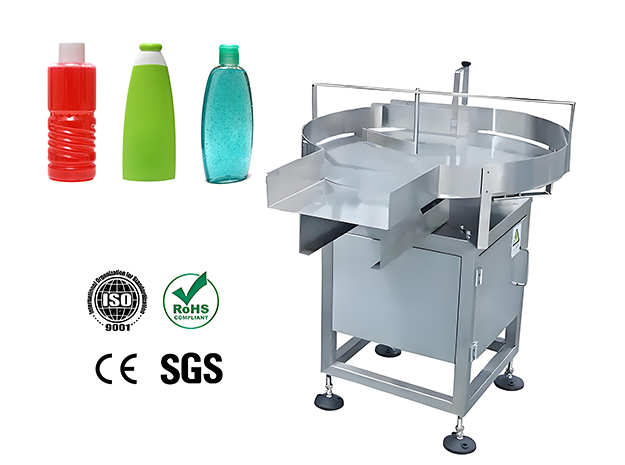
The first step is bottle inlet and sorting. Bottles enter the washing machine via a conveyor belt. The equipment is equipped with a bottle sorting or sorting device to ensure that the bottles enter the washing channel in a uniform posture, avoiding collisions or jamming. The second step is pre-rinsing. After entering the cleaning station, the equipment first performs a pre-rinsing, using circulating water or a high-pressure water gun to initially rinse the inside and outside of the bottle, removing residue inside and surface dust.
The third step is main cleaning, which is the core of the cleaning process. Depending on the bottle shape and degree of contamination, the fully automatic bottle washer can be configured with various cleaning methods, including high-pressure spraying, rotary brushing, and ultrasonic cleaning. For glass bottles, high-pressure spraying combined with a rotating brush is typically used to thoroughly remove stubborn stains inside the bottle; for irregularly shaped bottles with complex structures, ultrasonic cleaning can reach corners that brushes cannot reach.
The fourth step is rinsing. After the main cleaning, the equipment rinses the bottles multiple times with clean or purified water to remove residual cleaning agent and loosened stains. The rinsing water typically uses a counter-current water supply design, meaning that water from the later rinse is used to replenish the previous rinse, ensuring rinsing effectiveness while conserving water.
The fifth step is draining and drying. Cleaned bottles need to be dehydrated. The equipment is equipped with a draining area and a drying channel. Hot air circulation or high-pressure blowing is used to dry or evaporate the moisture inside and outside the bottles, ensuring they come out dry and clean, ready for the filling process.
The sixth step is bottle unloading. The cleaned and dried bottles are neatly conveyed out via a conveyor belt, awaiting the next filling or packaging process.
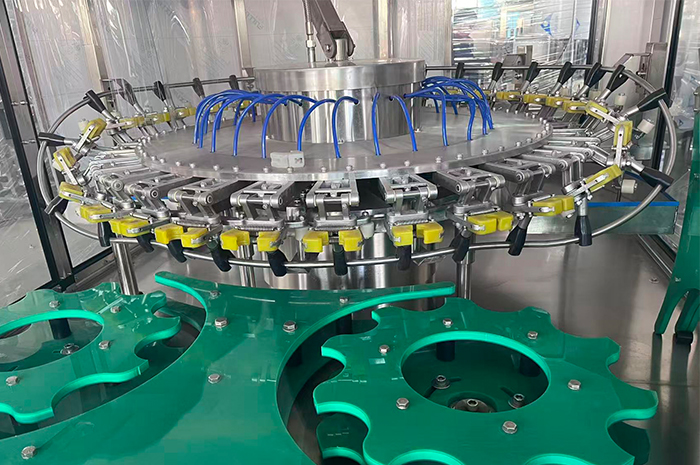
The fully automatic bottle washing machine is called a "one-stop solution" because it integrates the originally scattered and cumbersome cleaning processes into one machine. This integration brings multifaceted value. In terms of labor savings, one fully automatic bottle washing machine can replace 3 to 6 bottle washing workers, and it is not picky about personnel, ensuring that cleaning quality is not affected by worker fatigue or varying levels of responsibility. In terms of water savings, traditional manual bottle washing uses water haphazardly and wastefully. The fully automatic bottle washing machine uses a circulating water system and precise spray control, saving more than 50% of water compared to manual bottle washing. Regarding the stability of cleaning results, the mechanized and automated cleaning process ensures consistent actions, time, and water pressure for each wash, eliminating the possibility of uneven cleaning. In terms of hygiene standards, the entire machine is constructed of 304 or 316L stainless steel, with a closed cleaning channel design to prevent secondary contamination, meeting GMP requirements for the food and pharmaceutical industries.
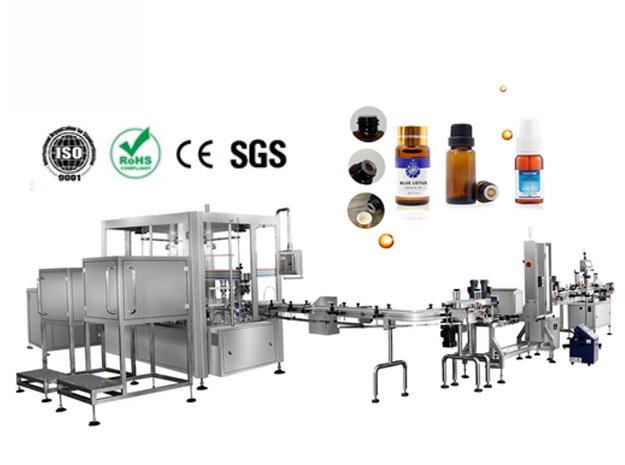
Fully automatic bottle washing machines are not simply about "machines replacing manual labor," but rather about optimizing the entire process from bottle inlet to outlet. They standardize, controllable, and efficient the seemingly simple process of cleaning, laying a solid foundation for subsequent filling, capping, and labeling processes. If your factory is still troubled by low bottle washing efficiency, high water consumption, and inconsistent cleaning results, consider starting with a fully automatic bottle washing machine to make bottle washing a worry-free experience. For more technical parameters or to obtain a cleaning solution tailored to your bottle type, please contact us.
Henan Mingtan is a manufacturer specializing in bottle washing machines. We offer air-washing machines, tilting water-washing machines, and standard bottle washing machines. In addition, we also provide filling machines, can sealing machines, labeling machines, and other equipment. Please feel free to contact us if you have any needs. We will provide professional advice and patient service.